A project to combat illegal fishing and provide nutritional support with fish products to the people of Buhehe (South Kivu) on Lake Kivu
To ensure good practices and preserve the balance of ecosystems, BIGOMA/EUP works for the sound management of all resources so that they are useful, sustainable and beneficial to the whole community, and ensure food self-sufficiency: reducing dependence on staple imports while increasing incomes in rural communities, improving household living conditions and expanding the domestic market for everyday consumer goods.
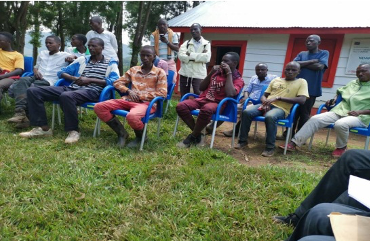
So, while promoting the environment in every way we can, we have set ourselves the mission of educating local people in new agroforestry techniques and all other methods that help balance ecosystems, with women and children taking part in the development of their communities. These include farming methods as well as ways of supplying the local community with animal and aquatic protein.
As the soil that local people farm, and which once provided their plant protein, has become depleted, they have turned to cheaper practices that degrade the environment to the point of threatening the future of the next generations, notably illegal fishing.
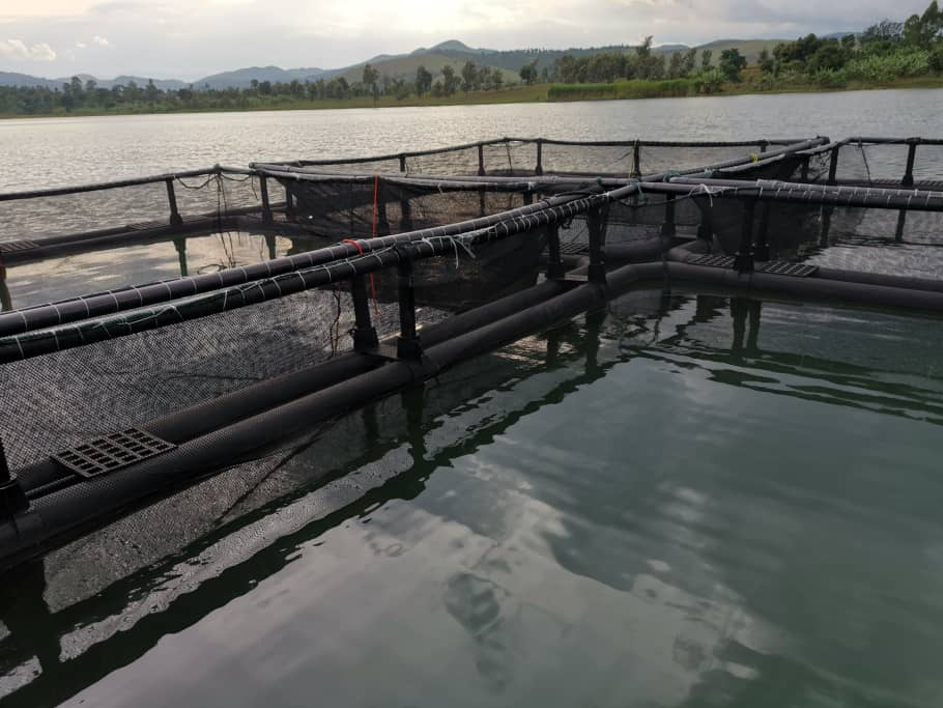
As one alternative, EUP BIGOMA is innovating in this sector by installing fish cages on Lake Kivu and in the “Kayanja” pond in the same locality of Buhehe. These fish-farming activities go hand in hand with awareness-raising and education on reforestation, and with training in new environmentally friendly crop and livestock techniques.
The cages and the pond are also meant to strengthen food security in the communities where they are located and in nearby towns. They can provide a solid community base for learning to fight illegal fishing, on which sustainable economic growth can be built, while adding value to local natural resources on site and preserving the balance of ecosystems.